-Creating Hope, One Step at a Time
Our Programs
Every Donation Counts — Make Yours Matter
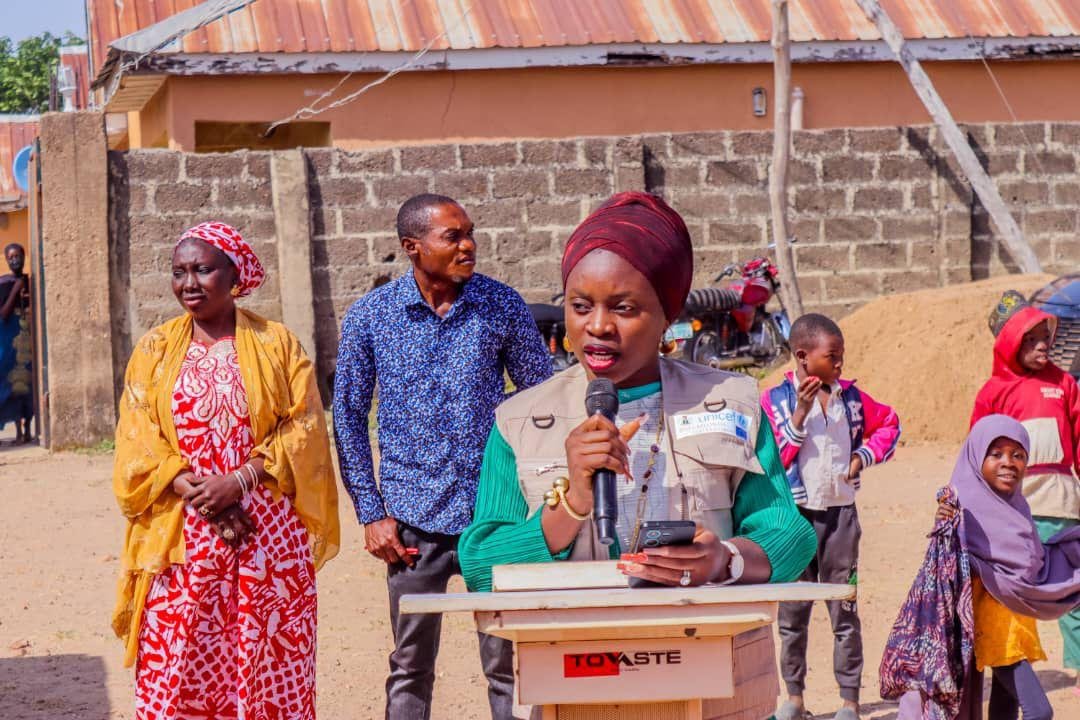
The Minna outreach focused on advancing maternal and child health through the distribution of food relief items and essential hygiene products, alongside participation in structured sensitization activities. Conducted as part of the Maternal and Child Health Week, the initiative was implemented in collaboration with the Niger State Ministry of Primary Healthcare. Key areas of emphasis included nutrition, basic healthcare practices, infant care, hygiene, and immunization awareness.
Engagement Level
The outreach recorded strong community participation, particularly from pregnant and nursing mothers attending the Maternal and Child Health Week. Sensitization activities featured interactive discussions, question-and-answer sessions, and practical demonstrations on nutrition and hygiene. Participants were highly receptive and displayed keen interest in understanding and applying the health guidance provided.
Beneficiaries
The outreach targeted and supported:
-
Pregnant women
-
Nursing mothers
-
Women with infants under five
-
Low-income households exposed to nutritional and health vulnerabilities
Priority was given to women and infants with the highest maternal and child health needs.
Partnerships
Partner: Niger State Ministry of Primary Healthcare
Nature of Partnership: Collaboration and facilitation during the Maternal and Child Health Week, including community mobilization, coordination, and support in engaging mothers throughout the activities.
Number of People Reached
The outreach successfully reached approximately 150 pregnant and nursing mothers.
Age Bracket of Participants
Participants were within the 18–45 years age range.
Items Distributed
Beneficiaries received a range of food and hygiene relief materials, including:
-
Rice
-
Beans
-
Semovita
-
Cooking oil
-
Milk
-
Salt and sugar
-
Hygiene items: sanitizers, handwash, and disinfectants
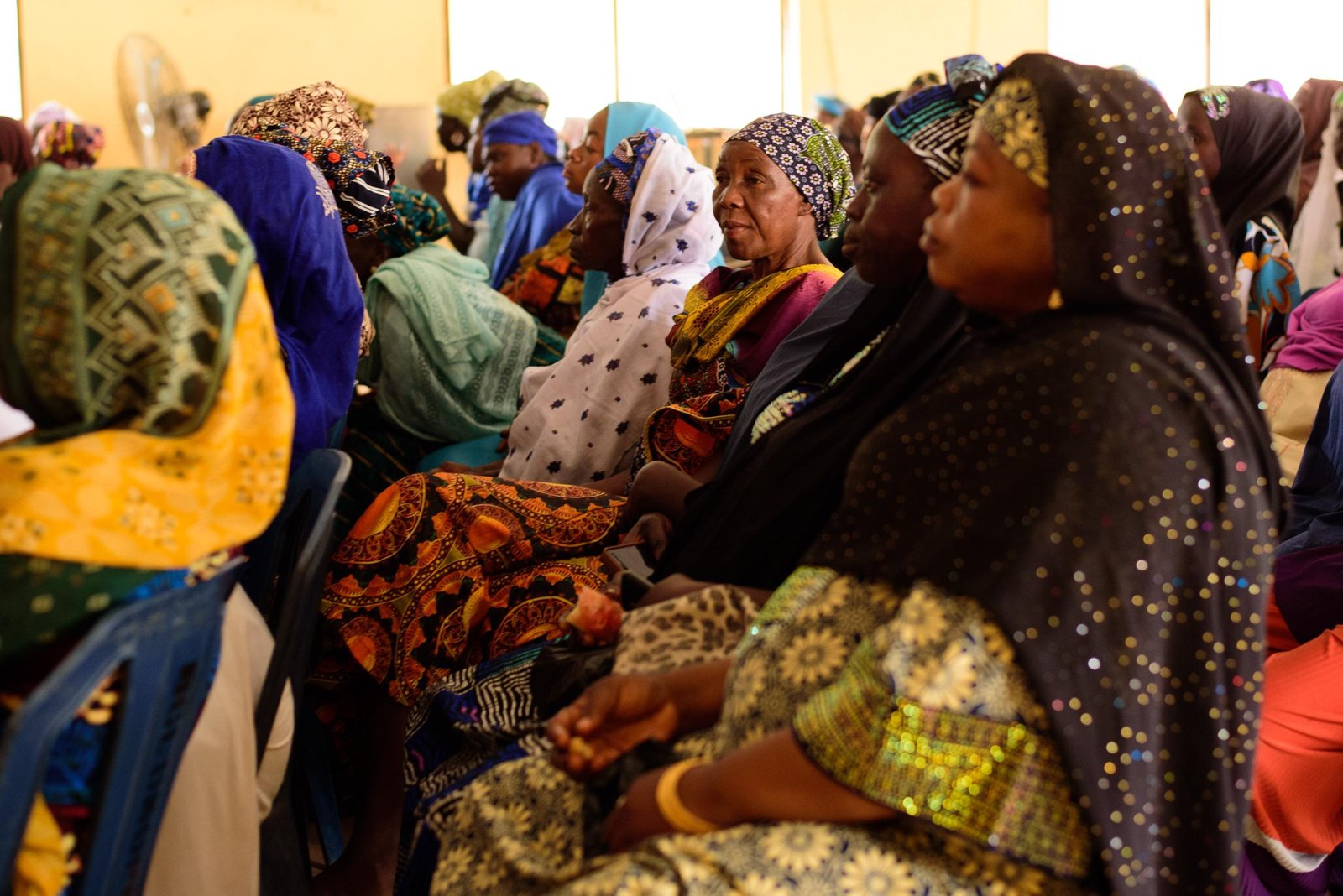
The Kwara outreach focused on providing food relief materials and essential hygiene products, complemented by sensitization on nutrition, basic healthcare practices, hygiene maintenance, and maternal and child health. The intervention targeted vulnerable women, including elderly women, pregnant women, nursing mothers, and mothers with young children.
Engagement Level
The outreach recorded strong community participation, with active involvement from women across various age groups. Key activities included:
-
Sensitization on proper nutrition
-
Education on basic healthcare practices
-
Discussions on hygiene and home care
-
Infant care and breastfeeding support
-
Guidance on immunization and preventive healthcare
Participants engaged meaningfully, asking questions and contributing to discussions, reflecting their genuine commitment to improving household health and wellbeing.
Beneficiaries
The outreach directly supported diverse categories of vulnerable women and households, including:
-
Elderly women
-
Pregnant women
-
Nursing mothers
-
Women with children under five
-
Families experiencing nutritional and economic challenges
These groups were prioritized due to their heightened maternal, nutritional, and healthcare needs.
Partnerships
The Kwara outreach was independently organized and executed within Ifelodun LGA, with no formal external partnerships.
Number of People Reached
The outreach successfully engaged and supported over 200 beneficiaries across all activities.
Age Bracket of Participants
Participants ranged from 25 to 70 years old.
Items Distributed
Beneficiaries received a range of food and hygiene relief items, including:
-
Rice and beans
-
Semovita
-
Cooking oil
-
Milk
-
Salt and sugar
-
Hygiene items such as sanitizers, handwash, and disinfectants
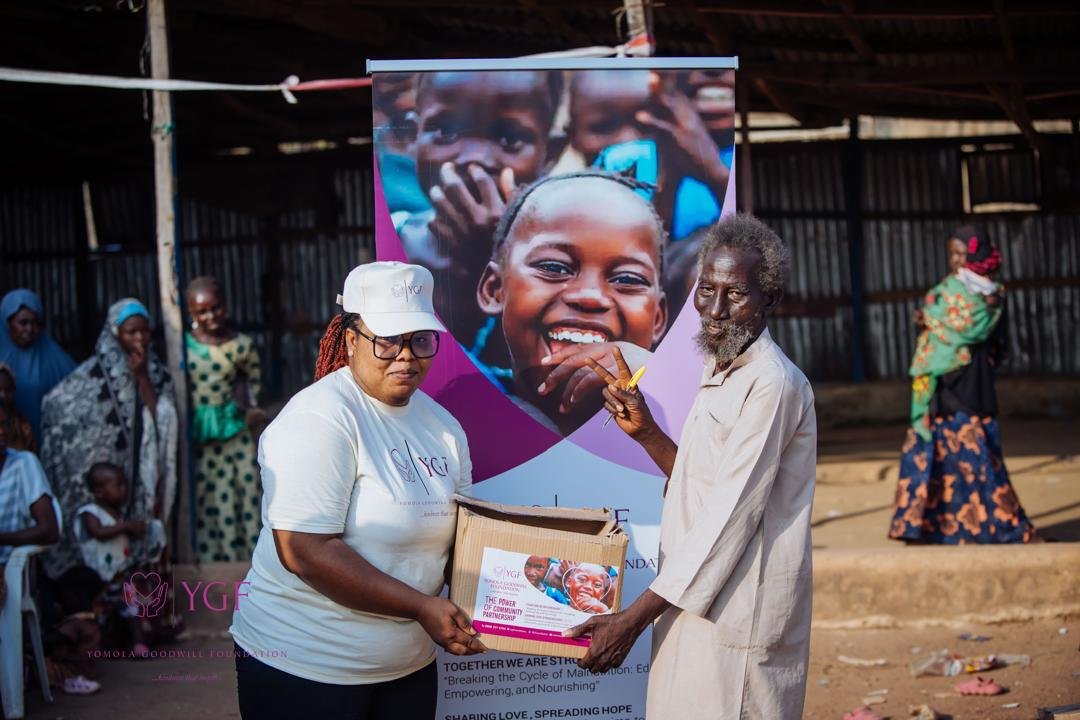
The Abuja outreach centered on the distribution of food relief items and essential hygiene products, complemented by comprehensive sensitization on maternal and child health. The sessions covered proper nutrition, basic healthcare practices, hygiene maintenance, infant care, and the importance of immunization. Activities were targeted at vulnerable individuals residing in the Durumi IDP Camp.
Engagement Level
Community participation was notably high. Nursing and breastfeeding mothers engaged actively in the sensitization sessions, asking relevant questions and demonstrating strong interest in improving their knowledge of nutrition, hygiene, and childcare. Key engagement activities included:
-
Maternal and child health sensitization
-
Hygiene education
-
Guidance on infant care and breastfeeding
-
Nutrition awareness, including food planning and preparation
-
Interactive discussions on immunization and general wellbeing
The outreach environment was warm, interactive, and highly participatory.
Beneficiaries
The initiative primarily supported vulnerable women and children within the camp, including:
-
Nursing mothers
-
Breastfeeding mothers
-
Pregnant women
-
Women with children under five
-
Households experiencing economic hardship
These groups were prioritized due to their elevated nutritional and maternal health needs